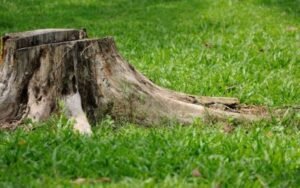
After cutting down a tree, you might wonder what you should do with the stump left behind. You could grind the tree’s above-ground remains to level the earth, but do tree roots die after stump grinding? Will the tree grow back?
Before scheduling professional tree services in Greenwich, CT, consult the guide below to learn about this service and its effects on underground root systems.
What To Know About Grinding Tree Stumps
Before exploring the effects of stump grinding on underground root systems, it helps to understand how the process works. Grinding removes the above-ground remains of a cut tree by breaking the wood into small pieces using a heavy-duty grinder with rotating blades. Tree care technicians typically grind stumps six to 12 inches below ground level to allow for replanting or filling the area with soil and grass seed.
What Happens to Roots After Stump Grinding?
Knowing how long tree roots take to decay after grinding helps you set realistic expectations for the project’s outcome. Because grinding goes as low as a foot underground, some of the tree’s upper roots may also get cut.
Without leaves for photosynthesis, the roots won’t continue to grow, so they’ll die over time. It could take 10 years or longer for the roots to decompose completely.
Factors That Contribute to Tree Root Regrowth
Do tree roots die after stump grinding? Although the roots will eventually die and decompose, they can live for a while. If they have reserved energy, they may even sprout new shoots.
Several factors influence the likelihood of a tree resprouting after stump grinding, including:
- Tree species: Certain tree species, such as poplars and maples, have aggressive root systems that don’t die easily, so they may sprout after stump grinding.
- Root network: A mature tree is more likely to produce sprouts from its stump than a young one due to its extensive root system that can extend up to 20 feet.
- Soil quality: Tree roots are more likely to grow new sprouts if the surrounding soil is nutrient-dense and retains moisture.
How To Prevent Sprouts After Stump Grinding
If you want to prevent roots with stored energy from sprouting, it may be possible to grind the stump beyond the standard six to 12 inches. Some commercial-grade grinders can break up materials as deep as 18 inches underground. By grinding deeper into the soil, the root system will encounter less material and more damage, reducing the risk of aggressive roots sprouting.
Get Help With Your Unwanted Tree Stump Today
The simple answer to “Do tree roots die after stump grinding?” is no. While the service helps reduce the risk of tree regrowth by promoting decomposition, environmental factors and tree species mean that new sprouts may shoot up from the remaining roots.
If you’re ready to remove a tree or a stump in Greenwich, CT, turn to our experts at New England Tree. We have decades of experience providing comprehensive tree services, including stump grinding, routine trimming, and tree removal. Call (203) 790-8085 or contact us online today to schedule services.